




1. Documentation Reduces Buyer Risk
Marine purchases carry uncertainty: hidden corrosion, deferred maintenance, engine wear, moisture intrusion, undocumented repairs. A complete maintenance history reduces that uncertainty.
Comprehensive records typically include:
- Engine service intervals and parts replaced
- Haul-out dates and yard invoices
- Bottom paint history
- Rigging inspections and replacements
- Electronics upgrades
- Warranty documentation
- Insurance surveys and recommendations completed
When a buyer sees consistent servicing aligned with manufacturer recommendations, risk perception drops. Lower risk increases willingness to pay and reduces discount pressure during negotiation.
2. Survey Outcomes Improve
Surveyors rely on documentation to validate condition claims. Without records, survey findings default to conservative assumptions.
With organized records:
- Service intervals can be verified
- Known issues and repairs are documented
- Replacement timelines are clear
- Compliance with safety standards is demonstrable
Fewer “unknowns” in the survey report translate to fewer buyer objections and fewer price reductions.
3. Maintenance Discipline Preserves Physical Condition
Record-keeping creates accountability. Owners who log maintenance are more likely to:
- Service engines on schedule
- Replace zincs and impellers proactively
- Monitor fuel and cooling systems
- Address minor issues before escalation
Preventive care directly preserves mechanical integrity and cosmetic condition. That preservation is measurable at resale.
4. Upgrade Transparency Adds Value
Electronics, sails, canvas, repowers, and structural refits add value only when substantiated. Documentation should include:
- Installation dates
- Equipment specifications
- Installer details
- Receipts and warranties
Clear upgrade history allows buyers to quantify remaining useful life. Unverified claims are discounted; documented upgrades are capitalized into price.
5. Narrative Increases Emotional Appeal
Sharing cruising logs, passages, refits, and responsible stewardship creates context. Buyers are not only purchasing hardware; they are purchasing a story of care.
A well-maintained ownership log communicates:
- Responsible seamanship
- Active usage rather than neglect
- Pride of ownership
Emotion influences decision speed. A documented narrative accelerates trust.
6. Faster Sales Through Friction Reduction
Time on market increases when buyers must request missing documents, verify claims, or wait for clarifications.
Having transferable records ready:
- Speeds due diligence
- Simplifies lender and insurer review
- Shortens negotiation cycles
- Reduces conditional contingencies
Buyers move faster when information asymmetry is minimized.
7. Transferability Matters
Digital, organized, and easily shareable records provide structural advantages:
- Cloud-based folders
- Categorized PDFs of invoices
- Engine logs in spreadsheet format
- Downloadable maintenance timelines
A structured archive can be transferred at closing, signaling professionalism and continuity of care.
8. Pricing Power and Market Positioning
Boats with incomplete records compete primarily on price. Boats with complete histories compete on quality.
In competitive listings:
- Detailed documentation differentiates
- Confidence reduces aggressive negotiation
- Appraised value aligns more closely with asking price
The result is typically a stronger final sale price and shorter listing duration.
Practical Record Framework
Maintain:
- Annual maintenance summary
- Engine hour log
- Repair ledger with dates and costs
- Upgrade register
- Survey archive
- Insurance claim documentation
- Storage and haul-out records
Add optional narrative logs of trips, improvements, and notable events.
A vessel with documented stewardship signals lower risk, higher reliability, and preserved asset integrity. Markets reward transparency and discipline.
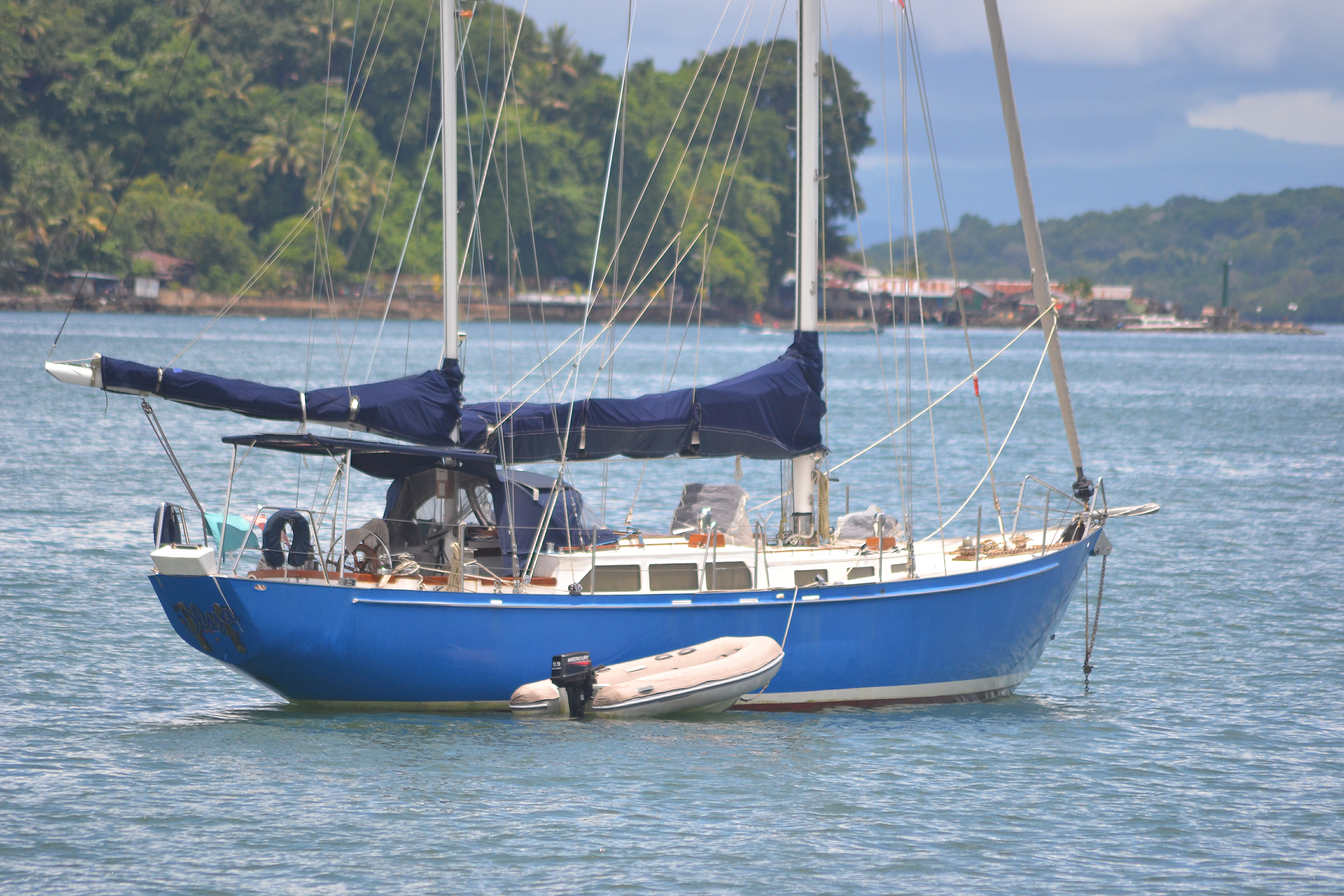
Foto from: https://www.vecteezy.com/photo/5345755-a-blue-fancy-yacht-at-the-sea