




Protecting Your Investment
As the boating season winds down and temperatures begin to drop, taking the time to properly winterize your vessel is one of the most important things you can do to protect your investment. Skipping or rushing through this process can lead to costly damage, from cracked engine blocks and frozen water lines to mold and mildew buildup in the cabin. A thorough winterization now will save you significant time, money, and frustration come spring.
Mechanical and Engine Systems
Begin with the engine and mechanical systems. For inboard and stern-drive engines, flush the cooling system with fresh water, then run antifreeze through it to prevent freeze damage.
- Oil and Filters: Change the engine oil and filter while the oil is warm, as used oil contains acids and contaminants that can corrode internal components over the winter.
- Fuel System: Fog the cylinders with fogging oil to protect against rust, and stabilize the fuel with a quality fuel stabilizer to prevent varnish buildup.
- Lower Unit: Do not forget to service the outdrive or lower unit with fresh gear oil, and inspect the bellows and seals for any signs of wear.
Interior and Storage Prep
Inside the boat, remove all food, clothing, and valuables. Thoroughly clean and dry the interior to prevent mold and mildew, and leave lockers and drawers slightly open to allow air circulation.
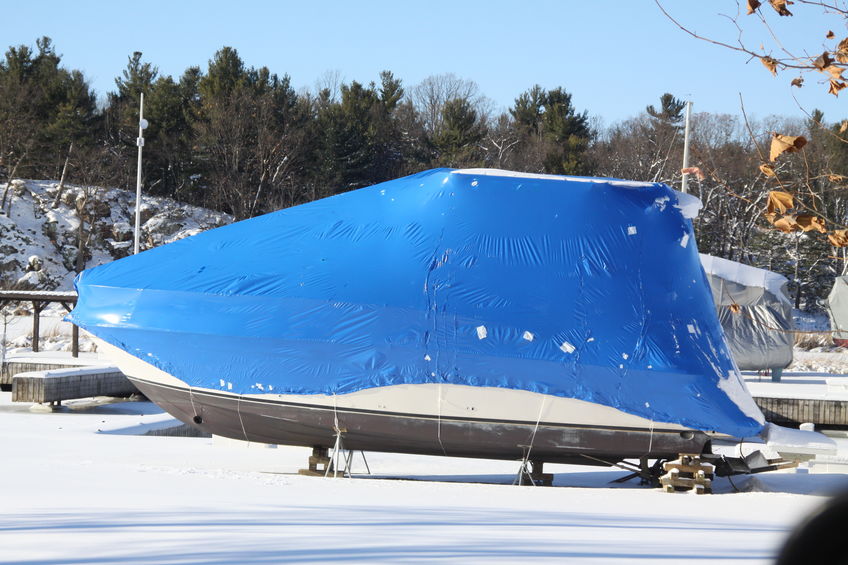
Drain all water systems including the freshwater tank, water heater, and any raw water lines. Remove the battery and store it in a cool, dry place on a maintenance charger. Finally, cover the boat with a quality cover or shrink wrap to protect it from the elements.