




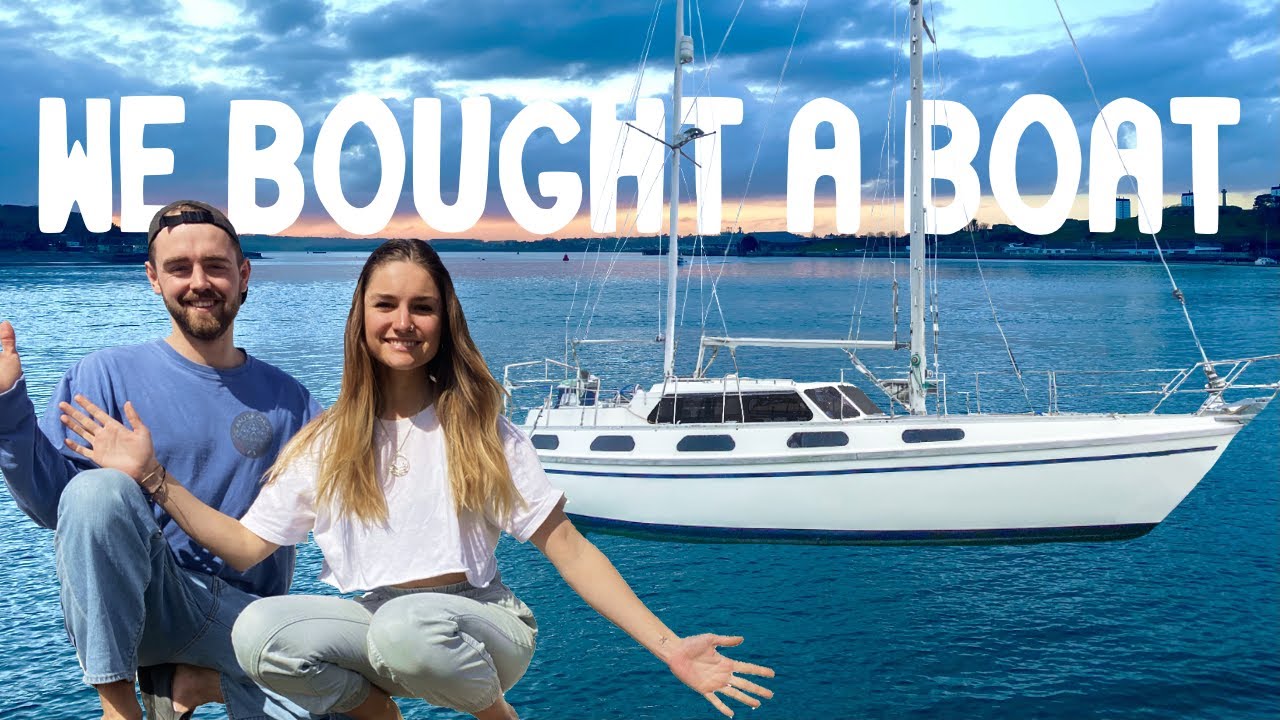
The Moment You Decide to Change Your Life
It often begins with a single afternoon — a friend's boat, a charter vacation, or a solitary walk along a marina dock where the masts sway gently against a blue sky. Something stirs. A quiet, persistent voice begins to whisper of open water, of trade winds and starlit anchorages, of a life measured not in square footage but in nautical miles. The decision to buy your first sailboat is rarely a rational one. It is a calling.
The sea, once it casts its spell, holds one in its net of wonder forever. — Jacques Cousteau
Choosing the Right Boat for Your Dream
The most important question is not "which boat?" but "what is my dream?" The answer shapes everything. A couple dreaming of a year-long circumnavigation needs a very different vessel than a weekend sailor exploring local bays. Before falling in love with a particular hull, be honest about your intentions:
- Weekend and coastal sailing — A 28–35 ft production boat (Catalina, Hunter, Jeanneau) is affordable, easy to handle, and widely supported by parts and service networks.
- Extended coastal cruising — Step up to a 35–42 ft bluewater-capable design. Look for a full keel or fin keel with skeg-hung rudder, a reliable diesel, and a well-found interior.
- Liveaboard and offshore passage-making — A 40–50 ft offshore cruiser (Hallberg-Rassy, Oyster, Amel, Island Packet) with a center cockpit, aft cabin, and robust systems is the gold standard.
- Budget bluewater — Classic designs like the Westsail 32, Valiant 40, or Hans Christian 38 offer proven offshore capability at a fraction of the cost of newer boats — but budget generously for refit.
Resist the temptation to buy the biggest boat you can afford. The right boat is the one you can sail confidently, maintain on your budget, and live aboard happily. Many a dream has been sunk by an oversized boat and an undersized bank account.
The Survey: Your Most Important Investment
Never, under any circumstances, skip a professional marine survey. A qualified surveyor is not an expense — they are the single best investment you will make in the entire purchase process. A thorough survey will reveal osmotic blisters, structural issues, electrical nightmares, and engine problems that the most enthusiastic seller will conveniently forget to mention.
The survey should always include:
- A full out-of-water hull inspection, including osmotic testing and keel bolt inspection
- A sea trial under power and sail, with the surveyor aboard
- A complete electrical systems review — old wiring is a leading cause of boat fires
- Engine compression test and full mechanical inspection
- Rig inspection, including standing and running rigging, chainplates, and mast step
- All through-hulls, seacocks, and bilge pump systems
- Sails, canvas, and deck hardware condition
Budget approximately 1% of the purchase price for a survey. On a $60,000 boat, that is $600 — a trivial sum compared to the cost of discovering a rotten keel after the deal is done.
The Day You Sign the Papers
There is a moment, pen in hand, when the enormity of what you are doing settles over you like a warm wave. This is not just a financial transaction. You are buying a home, a vehicle, a lifestyle, and a philosophy all at once. You are joining a community of people who have chosen the sea over the suburb, the anchorage over the apartment, and the horizon over the familiar.
The boat will teach you patience, resourcefulness, and humility. It will demand your time, your money, and your attention. And in return, it will give you sunsets that no landlocked life could offer, friendships forged in shared passages, and the profound, bone-deep satisfaction of arriving somewhere beautiful under your own sail.
A boat is not just a possession. It is a promise you make to yourself — that you will live with more intention, more adventure, and more wonder.
Welcome to the most rewarding journey of your life. The tide is turning, and it is time to go.
Photo by Vidar Nordli-Mathisen on Unsplash / https://www.youtube.com/@TeuluTribe